
Panel Recap: The Russian Economy in the Fifth Year of War
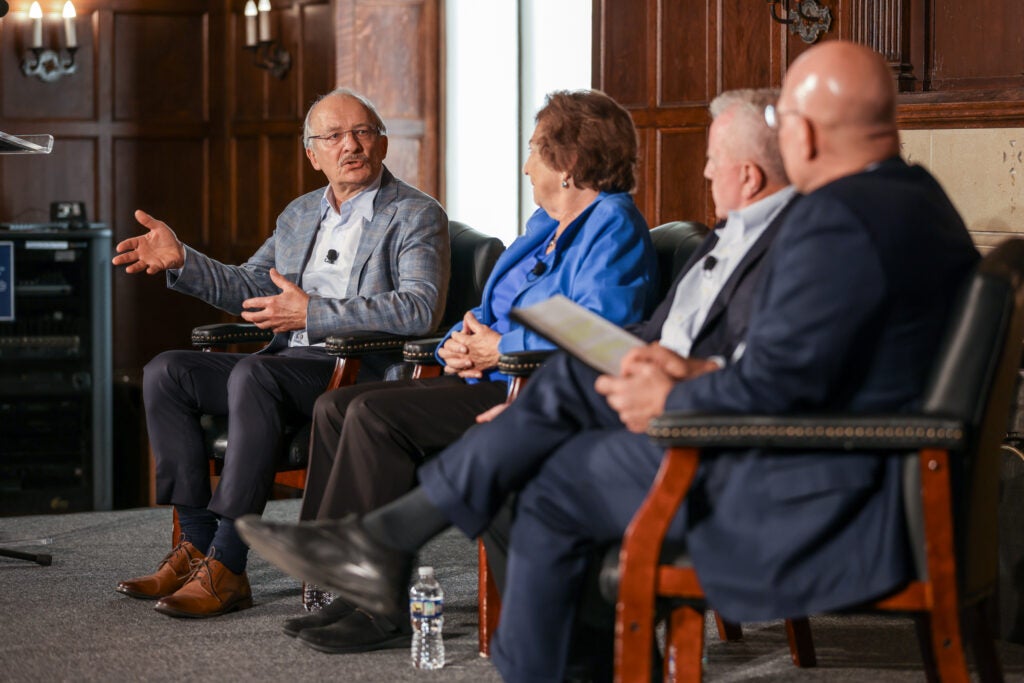
On September 15, the Center for Eurasian, Russian, and East European Studies (CERES) and the New Eurasian Strategies Centre (NEST) co-sponsored a panel on the state of the Russian economy in the fifth year of the full-scale invasion of Ukraine. The panel was moderated by Dean Joel Hellman and featured Dr. Sergey Aleksashenko (Head of Economics, NEST; former First Deputy Chairman of the Central Bank of Russia), Ambassador John Sullivan (Distinguished Fellow, CERES; former U.S. Ambassador to Russia), and Dr. Angela Stent (Chair of CERES Board; former National Intelligence Officer for Russian and Eurasia).
The panelists discussed the impacts of Western sanctions on Moscow and on the Russian population, economic shifts due to Russia’s prioritization of the military, the limits of Western influence over Russian policymaking, and the future economic outlook in the region. The conversation also turned to an examination of the effectiveness of Western responses to Russian aggression, such as the case of the attempted drone attack at the Leipzig airport and the abductions of Ukrainian children.
This event and reception also marked the launch of the Khodorkovsky Foundation’s new CERES Student Fellowship Fund and the start of a new CERES-NEST partnership.
About the Speakers
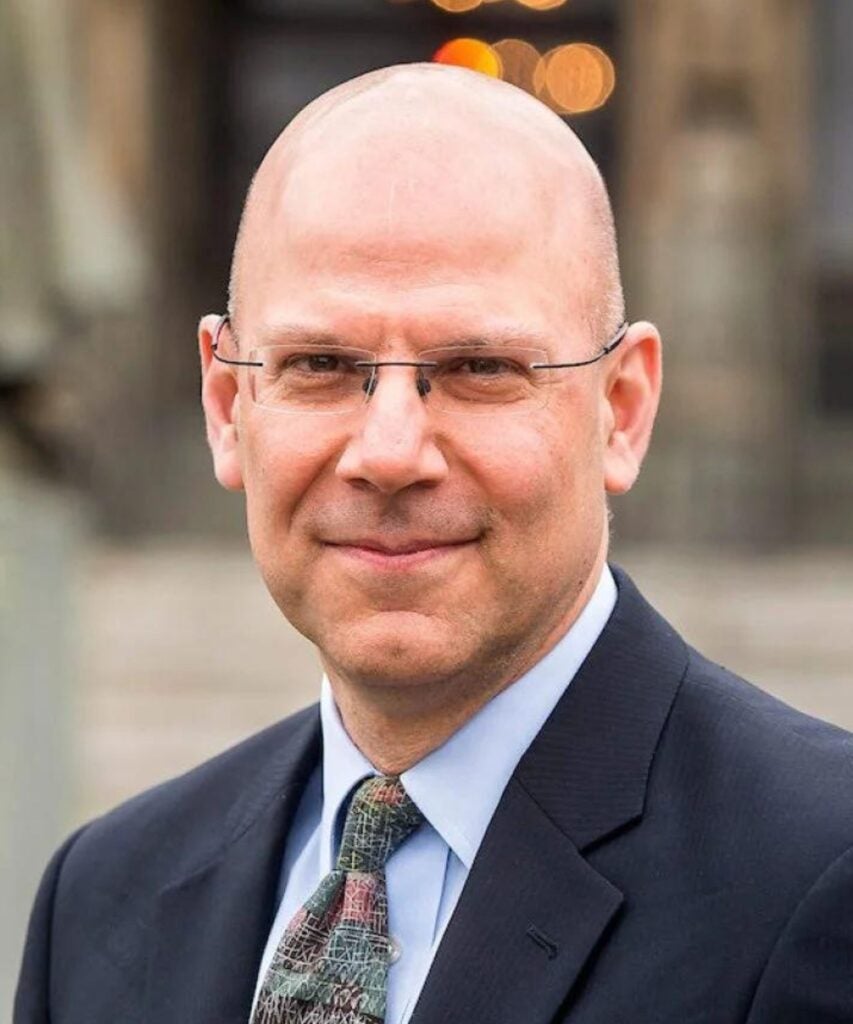
Moderator Joel Hellman became Dean of the Walsh School of Foreign Service at Georgetown University in July 2015 after 25 years working on some of the most complex issues of governance, conflict and the political economy of development. He served at the World Bank in many senior roles including Chief Institutional Economist, Director of the Center for Conflict, Security and Development in Nairobi, Kenya where he led the Bank’s engagement with fragile and conflict-affected states around the world, and Coordinator of the Bank’s response in Indonesia to the devastating Asian Tsunami. He was the Senior Political Counselor at the European Bank for Reconstruction and Development in London. As a scholar, Dr. Hellman was a political science professor at Harvard University and Columbia University focusing on the politics of economic reform. Born and raised in Brooklyn, New York, he is a graduate of Williams College. He has a Ph.D. from Columbia University and a M.Phil. from Oxford University.
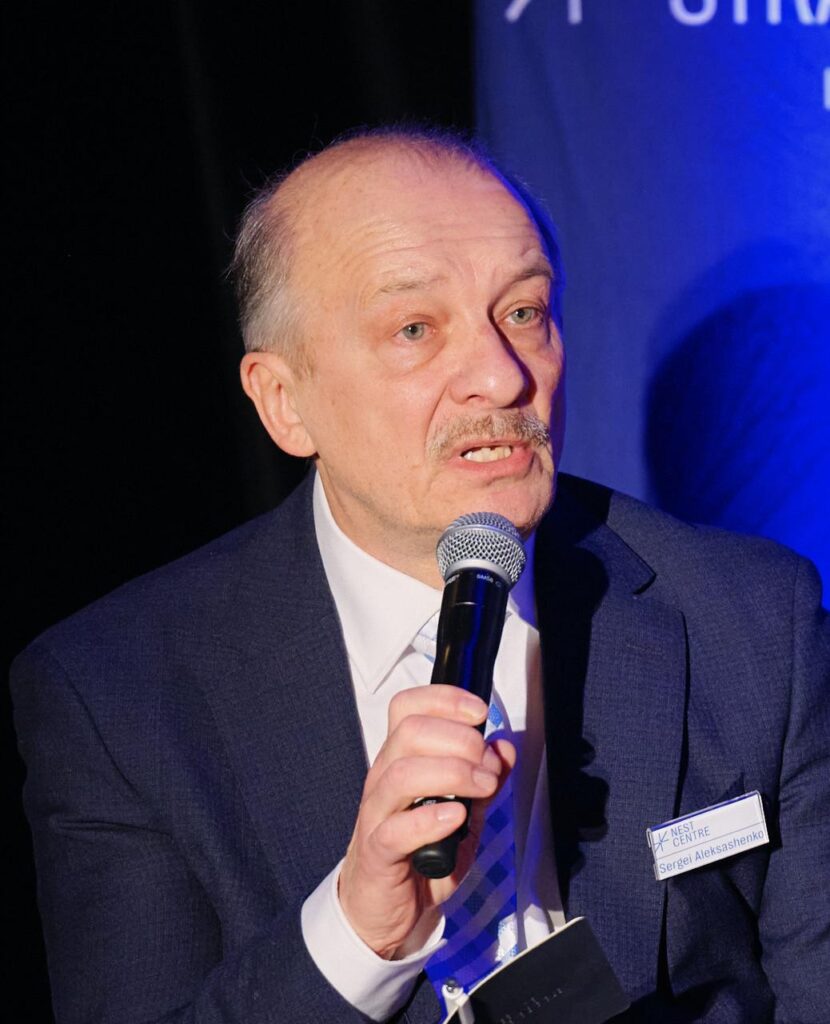
Dr. Sergey Aleksashenko is a senior research fellow and Head of Economics at the New Eurasian Strategies Centre (NEST). An expert on the Russian and Ukrainian economies, he focuses on macroeconomic issues and the structural transformation of both countries following the collapse of the Soviet Union. Dr. Aleksashenko served as Russia’s Deputy Minister of Finance from 1993 to 1995. Following this, he served from 1995 to 1998 as the First Deputy Chairman and Board Member of the Central Bank of Russia. Prior to leaving Russia, he was Director of Macroeconomic Research at the Higher School of Economics in Moscow. From 2015 to 2019, he was a nonresident Senior Fellow at the Brookings Institution. From 2019 to 2021, he served as an adviser to the Prime Minister, Minister of Finance and the Chairman of the National Bank of Ukraine. Between 2021 and 2024, he ran his own consultancy business, advising clients on political and investment development in Russia, Ukraine and other countries of the former Soviet Union. He holds a Ph.D. from the CEMI, USSR Academy of Sciences.
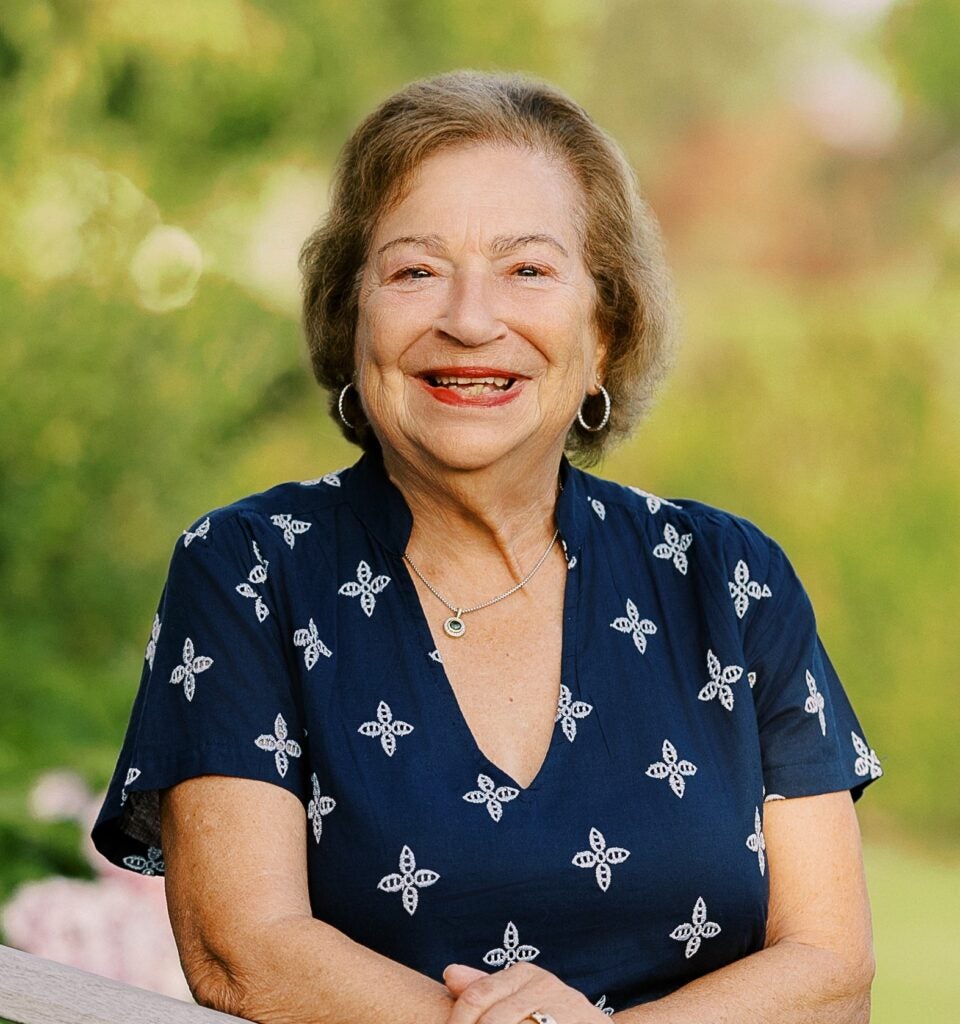
Dr. Angela Stent is Senior Advisor and Chair of the Board of Advisors at CERES and Professor Emerita of Government and the School of Foreign Service at Georgetown University. She is also Director Emerita of CERES. In 2025, she became Senior Fellow at the American Enterprise Institute (AEI), where she focuses on US-Russia policy and Russia’s relations with Ukraine, China, Europe, and the Global South. Previously, she served as Senior Nonresident Fellow at the Brookings Institution and co-chair of its Hewett Forum on Post-Soviet Affairs, as well as a Senior Advisor to the United States Institute of Peace. From 2004-2006, she served as National Intelligence Officer for Russia and Eurasia at the National Intelligence Council. From 1999 to 2001, she served in the Office of Policy Planning at the U.S. Department of State. Dr. Stent received her B.A. from Cambridge University, her MSc. with distinction from the London School of Economics in Political Science and her M.A. and Ph.D. from Harvard University. Her primary research focus is Russian foreign policy, with special emphasis on the triangular U.S-Europe-Russia relationship. Her latest book is Putin’s World: Russia Against the West and With the Rest (Twelve Books, 2019, updated paperback 2023) for which she won the Fletcher School of Law and Diplomacy’s prize for the best book on U.S-Russian Relations.
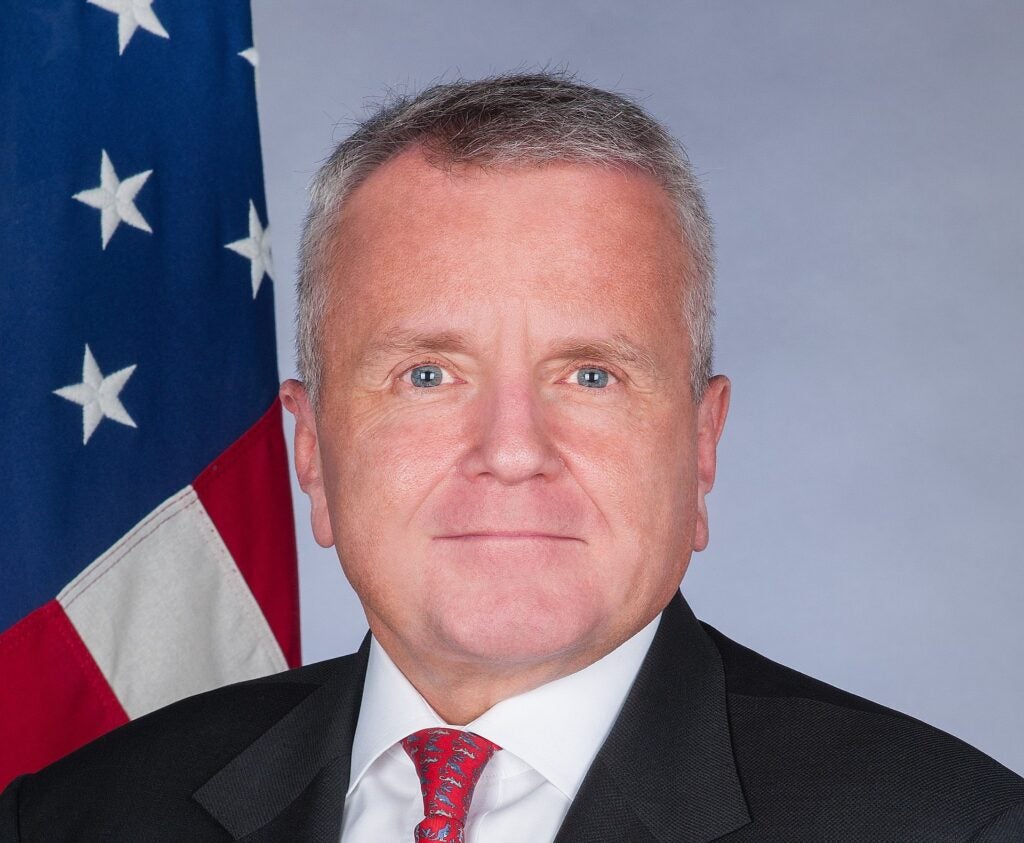
Ambassador John J. Sullivan is a retired law partner at Mayer Brown LLP, where he was co-chair of the firm’s National Security practice. In addition to serving currently on corporate boards, Ambassador Sullivan is a Distinguished Scholar at the School of Foreign Service of Georgetown University and a Distinguished Senior Fellow at Columbia University. In August 2024, he published Midnight in Moscow, a memoir of his time as the US ambassador to Russia from December 2019 to October 2022. Prior to his post in Moscow, he served for almost three years as the US deputy secretary of state. He previously held senior positions in the Departments of Justice, Defense, and Commerce under Presidents George W. Bush and George H.W. Bush. Ambassador Sullivan received his A.B. from Brown University and his J.D. from the Columbia University School of Law. He was a law clerk for Associate Justice David H. Souter of the Supreme Court of the United States, and for Judge John Minor Wisdom of the United States Court of Appeals for the Fifth Circuit.
This event is co-sponsored by Georgetown University’s Center for Eurasian, Russian and East European Studies (CERES) and New Eurasian Strategies Centre (NEST).